Let's simplify life
Simplify. Organize. Thrive.
Our Services
How a Professional Can Help You Pack:
- Organize belongings and pack them according to size and weight.
- Color code boxes to enable movers to place them near where they belong in your new home.
- Guide the process as you determine what is necessary and what isn't and can help you arrange items quickly and efficiently.
Settling Services
Settling into a new place can be daunting; the unfamiliarity of a new environment and the responsibility of setting up a new home can be overwhelming. But with the help of professional settling services, the transition can be much smoother. Our experts will handle all the necessary unpacking so you can focus on adjusting to your new surroundings and making it feel like home.
Benefits of Settling Services
- I take on the physical exertion of unpacking to save you time, energy, and stress.
- No two homes are identical, so every closet, cabinet, and storage area may need to be rethought. How do we make your everday items accessible? How do we fit what's important? What do we do with this odd space?
- While I'm unpacking your home, you can focus on things such as enrolling in new jobs or schools, meeting neighbors, reading to your kids, and updating your address.
- Imagine having me (solo or with a team) unpack your entire home for you. Clothing hung in closets or folded into dressers, dishes placed neatly in cabinets, towels and toiletries ready for use, and even decor items unwrapped and displayed in their new home. Your new space will feel like home sooner than you think possible!
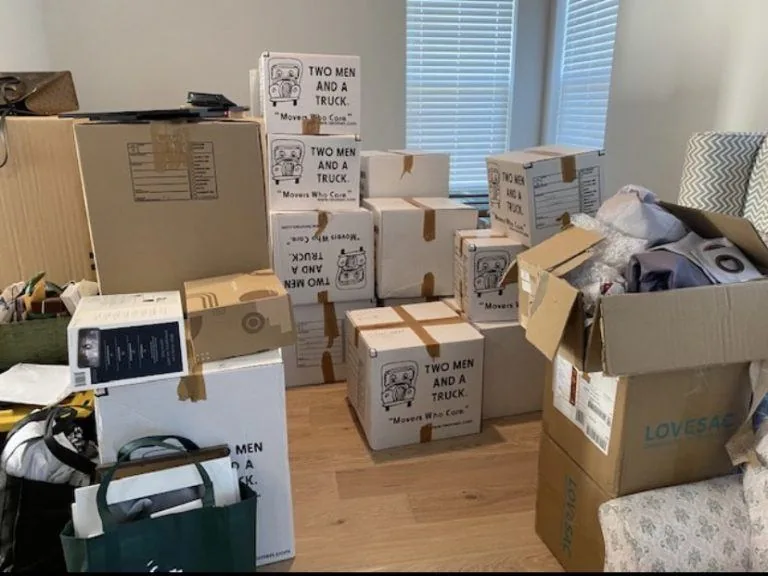
Ready to make your move easier?
From packing and organizing boxes to settling into your new space, I'll help take the stress out of moving so you can focus on starting your next chapter.
Get a Professional ConsultationIs it chronic disorganization? Or hoarding?
Have you tried every organizing system out there? Bought out every aisle of organizing tools? Feel like everything fails no matter how determined you are? It's not your fault! Growing up in The Great Depression didn't cause it, and more self-discipline won't cure it.
Both chronic disorganization and hoarding are long-term behavioral patterns that often include one or more medical diagnoses. The organizational challenges are created from a mix of brain-wiring, emotional coping, and life situations. Both need a more specialized approach than standard organizing systems.
Even more important than hiring someone with organizational tips is hiring someone who is trained in these combinations. Professional expertise and great compassion will help unearth the challenge of daily upkeep and maintenance. If you're tackling chronic disorganization or hoarding, you're likely also managing some of these:
Contributing Neurodiversities
- ADHD: Impulsivity, poor working memory, and trouble with focus
- Depression and Anxiety: Low energy, lack of motivation, and overwhelming stress
- Traumatic Brain Injury (TBI) or Cognitive Decline: Executive functioning, how info is gathered and used
- Autism Spectrum Conditions: Differences in sensory processing and information handling
Psychological and Behavioral Habits
- Deep Emotional Attachment: Strong sentimental value and difficulty discarding items
- Perfectionism/OCD: All-or-nothing mindset stops, forcing a full-stop if a system contains any flaw
- Lifelong Skill Deficits: Missed training in time-management or spatial-planning
Situational Triggers
- Major Life Transitions: Sudden life changes or family changes such as a divorce, a death, or a long-term medical diagnosis
No wonder you're overwhelmed! The last thing you need is a guilt trip or character assassination.
Here are a couple of handy references. Not only do these help us as we talk about our project, but they can also serve to assure you that you can't scare me! I've seen a few things (and climbed in through a few windows) over my decades of organizing.
9 Levels of the Clutter Image Rating Scale
- Level 1: The home is completely tidy and clutter-free. All rooms and furniture function properly and are used as intended.
- Level 2: The home is mostly neat, but a few items are out of place (such as a piece of clothing on the floor or a book on the couch).
- Level 3: Noticeable mess begins to build up. There are larger piles of items or scattered clothes, and belongings are harder to keep organized.
- Level 4*: Clutter covers all flat surfaces, and major furniture items (like a sofa, bed, or bathtub) are partially blocked and difficult to use.
- Level 5*: Items are stored in inappropriate places (such as chairs piled with things in a bedroom), sometimes blocking normal pathways through the rooms.
- Level 6*: Furniture is almost entirely covered by items. Only the narrowest spaces remain available to sit or sleep.
- Level 7*: Floors are blocked, and the main accumulation of clutter reaches approximately waist high.
- Level 8*: Piles reach about head height. Navigating through the rooms becomes dangerous.
- Level 9*: The clutter reaches the ceiling. The space is severely packed and highly dangerous to enter or be near.
*Levels 4-9 typically mean that clutter significantly impacts daily life. In addition to implementing services of a Professional Organizer or coach, these situations may require the support of a variety of professionals. (Possibilities may include mental health experts, pest control, animal control, handymen/contractors, financial counselors, crime scene cleaners.)
I serve clutter levels 4-9 and hoarding levels 1-4 on a case-by-case basis, depending primarily on my availability.
What about hoarding?
While there is some element of clutter in all hoarding situations, not all clutterers are hoarders. The chart below is the rating scale typically referenced to understand when clutter meets the criteria of hoarding. The scale also helps identify the team members needed to address a hoarded household.
Adapted from the NSGCD (National Study Group on Chronic Disorganization) Clutter-Hoarding Scale.
Structure & Zoning Issues: All doors and stairways accessible.
Pets & Rodents: Normal household pet activity: 1-3 spills or pet accidents evident. Light evidence of rodents/insects.
Household Functions: Clutter not excessive.
Sanitation & Cleanliness: Normal housekeeping. Safe and healthy sanitation. No odors.
Structure & Zoning Issues: 1 exit blocked. 1 major appliance or regionally appropriate heating, cooling, or ventilation device not working for longer than 6 months.
Pets & Rodents: Some pet odor. Cat spray or pet paste puddles. Light pet dander in evidence. 3 or more incidents of feces in cat box. Limited fish, reptile, or pet care. Light-to-medium evidence of common household rodents/insects.
Household Functions: Clutter inhibits use of more than two rooms. Unclear functions of living room, bedroom. Slight narrowing of household pathways.
Sanitation & Cleanliness: Limited evidence of housekeeping, vacuuming, sweeping. Tolerable, but not pleasant, odors. Overflowing garbage cans. Light-to-medium mildew in bathroom or kitchen. Moderately soiled food preparation surfaces.
Structure & Zoning Issues: Visible clutter outdoors. Items normally stored indoors evident outside (TV, sofa). 2 or more appliances broken or not functioning. Inappropriate and/or excessive use of electric and extension cords. Light structural damage limited to 1 part of home; recent (less than 6 months).
Pets & Rodents: Pets exceed local Humane Society limits by 1-3 animals, excluding well-cared-for puppy or kitten litter less than 4 months old. Stagnant fish tank. Poorly maintained reptile aquarium; odor and waste. Bird droppings not recently cleaned. Audible, but not visible, evidence of rodents. Light flea infestation. Medium amounts of spider webs inside house.
Household Functions: Visible clutter outdoors. Narrowed hall and stair. 1 bathroom or bedroom not fully usable; i.e. items stored in shower. Small amounts of 1-2 obviously hazardous substances, chemicals, substance spills, broken glass.
Sanitation & Cleanliness: Excessive dust. Bed linens, including pillow, show evidence of dirt, long-time use. No evidence of any recent vacuuming or sweeping. Heavily soiled food preparation surfaces. Obvious and irritating odor. Unused, full, or odorous garbage cans. Dirty or soiled laundry throughout house, exceeding 3 hamper-size baskets per bedroom.
Structure & Zoning Issues: Structural damage to part of home (longer than 6 months). Mold or mildew on walls or floors. Inappropriate use of appliance: storing paper in oven; storing nonfood items in refrigerator (beyond batteries, film). Evidence of damage to 2 or more sections of wall board. Faulty weather protection: deteriorated or ineffective waterproofing of exterior walls, roof foundation, or floors, including broken windows or doors; missing or damaged gutters/downspouts. Hazardous electrical wiring. Odor or evidence of sewage backup.
Pets & Rodents: Pets exceed local Humane Society limits by 4 animals (any type). Obvious aged animal waste exceeding 2-3 recent "accidents." Pet dander on all furnishings. Pet has free range with evidence of destructive behavior, clawed furnishings, chewed doors or frame.
Household Functions: Designated bedroom unusable; using living area or sleeping on sofa or floors. Hazardous materials stored inside of home, e.g. gasoline, aged rusted and leaking paint or household chemical cans and bottles. Excessive combustible and highly flammable packed material in living area or attached garage.
Sanitation & Cleanliness: Rotting food on counters. 1-15 aged canned goods with buckled tops and sides. No covers on beds, sleeping directly on mattress, lice on bedding or furnishings. No clean dishes or utensils locatable in kitchen.
Structure & Zoning Issues: Structural damage obvious in home. Broken walls. No electrical power, except for rural homes not serviced by power companies. No water connections. No sewer, septic system nonoperational. Standing water in basement or room. Fire hazard, hazardous material, or contaminants storage that exceeds local ordinances.
Pets & Rodents: Pets dangerous to occupants and/or guests. Rodents evident in sight. Mosquito or insect infestations. Regional "critter" infections; i.e. snakes in interior of home.
Household Functions: Kitchen and bathroom unusable due to clutter. Client sleeping elsewhere as house is not livable. Human defecation. Rotting food. More than 15 aged canned goods with buckled tops and sides.
Well-intentioned family and friends typically try to assist in these situations for years before either giving up on the person or else calling in help. The truth is, a committed group of loving people is only one part of the team. Higher levels of hoarding may include all of the above-mentioned team members, and also social services, a trustee or conservator, city officials (zoning/building), emergency personnel, HOA or landlord, and legal representation.
Without understanding and addressing the needs of the whole person, a group might clear space in the home and feel good about "helping" - but this narrow approach creates additional stress, frustration, and amplified mental and emotional reactions. The hoarding returns with speed and intensity.
Compassion and expertise from outsiders are what's needed.
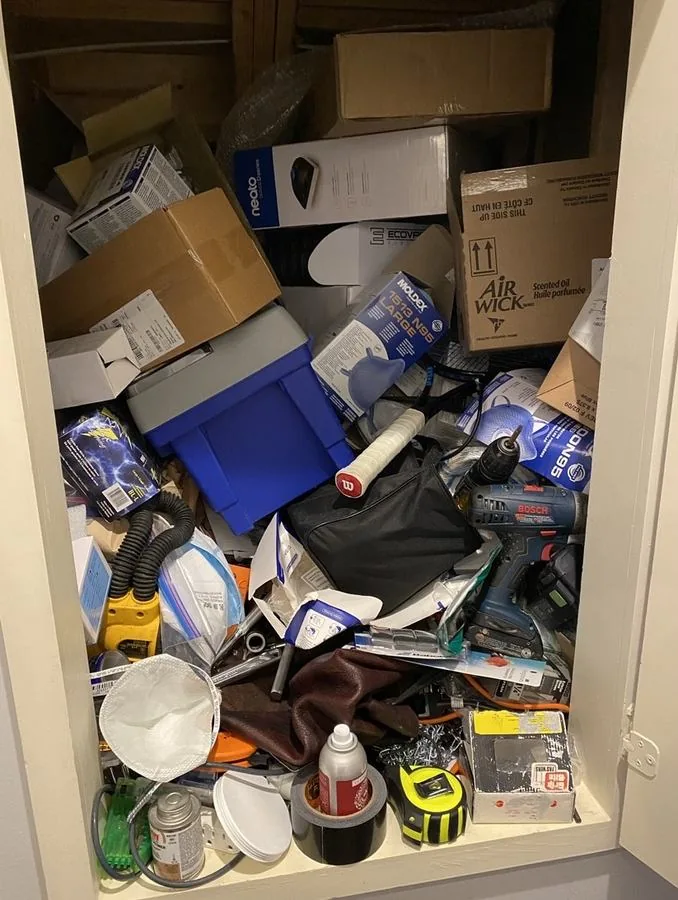
Ready to take back your space?
De-hoarding is sensitive work, and I approach it with patience and compassion - no judgment, just steady progress toward a home that feels safe and manageable again.
Get a Professional ConsultationDecluttering is one of the most important things you can do to improve your life and work. A cluttered environment reflects our stress levels - if everything around us feels overwhelming and stressful, then chances are we're feeling just as overwhelmed inside. When everything is in its rightful place and has a designated use, it becomes much less cluttered. This allows us to focus on what truly matters instead of being preoccupied with unnecessary distractions.
What is Decluttering?
Decluttering is the process whereby you decide whether the items in your space are cluttered and, if so, determine where they belong and act on that decision. By enabling you to understand why you have clutter in the first place, the aim is for the process to help you make a permanent change. In addition, by organizing your environment, you should be able to focus better and accomplish more in a shorter amount of time.
Why is Decluttering important?
Clutter affects our emotional and physical well-being in several ways. For example, clutter in an office can make us feel unproductive and burnt out. The benefits of decluttering a physical space are unsurprising, given that exposure to cluttered, disorganized surroundings can compromise your attention, concentration, and focus.
Of course, the office isn't the only place you'll find clutter. Clutter in your home can affect your life as well. For example, survey responses from a paper published in the Journal of Environmental Psychology in June 2016 (Ferrari and Roster) showed that clutter harms the subjective well-being and happiness of most adults in the United States and Canada.
Clutter can also be a safety hazard. Items on the floor could cause someone to stumble. A health hazard exists if piles of stuff could become a welcoming environment for pests. In addition, clutter can act as a source of friction between people with different ideas regarding tidiness.
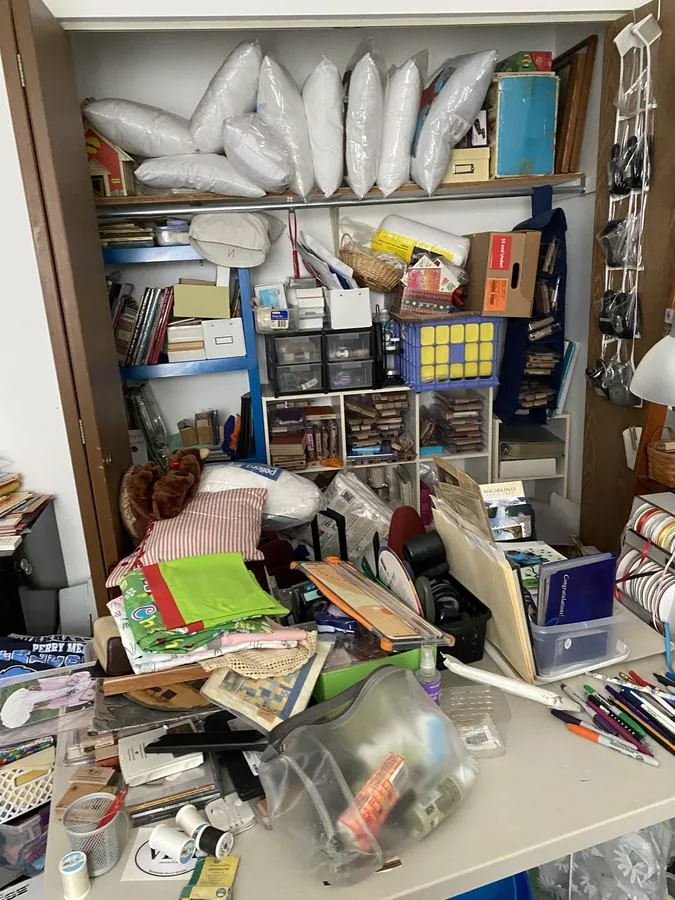
Ready to clear the clutter?
I'll help you sort through what's weighing your space down and create a system that actually sticks, so the clutter doesn't creep back in.
Get a Professional ConsultationOrganizers are typically known for...well, organizing stuff. My skills can do that in a heartbeat; but my passion is seeing the *person* behind the stuff. My unique blend of connection, compassion and understanding makes the efficiency a bonus. A typical week might see me organizing garages, closets, downsizing and unpacking...but my real delight is bringing stress relief and joy. I value my clients as people, listening and guiding clients' thoughts and feelings as we address the stuff together. Whether it's everyday clutter or level 4 hoarding, my heart is eager to meet and understand yours. Let's see how we can turn your chaos into calm.
Ready to turn chaos into calm?
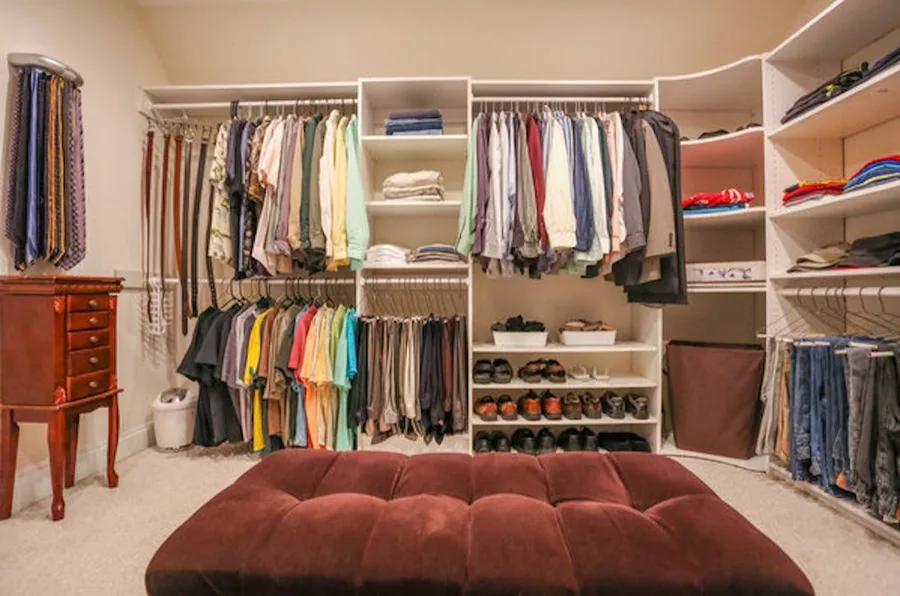
Whether it's a closet, a garage, or a whole household, I'll build an organizing system tailored to how you actually live - not a generic one-size-fits-all plan.
Get a Professional ConsultationThe process of removing unwanted or unneeded items from a living space can be very difficult. Periodic purging can help to free up space and make your home feel more spacious.
When is clutter a problem?
Clutter can have a negative impact on the mental and physical health of anyone in the house. It's essential to remove clutter and make your home more organized so you can live with less stress and greater comfort. Clutter often creates feelings of anxiety and embarrassment. It takes up precious space in our homes, making it difficult to find things we're looking for or to relax and enjoy our surroundings. In addition, cluttered homes tend to be dirty and unhealthy due to the accumulation of dust mites and other allergens, as well as mold growth if cluttering becomes severe enough. Finally, while much less common, a house full of clutter could cause fire hazards.
Are you ready to purge?
Before you can start purging, you must be prepared for the challenging task. First, you have to be willing to let go of things that no longer serve a beneficial purpose. This isn't easy, but it's essential if you want to see real progress in your efforts.
But if you're trying to purge, you've got to be ready to sever the emotional ties you've made to the stuff you own and let go. Ideally, when your goal of having a clutter-free space becomes more important to you than holding onto all things, you should be ready to begin purging.
Some people who are ready to do extreme purging may have dramatic results. But, even if you are not ready to take it to that degree, you can still significantly impact your home.
The benefits of Purging
There are many benefits to owning fewer possessions. Here are a few of the benefits:
- Less to clean: Cleaning is already enough of a chore, but cleaning around things you have zero emotional attachment to can make cleaning the house much more stressful.
- Less to organize: Finding things suddenly becomes more accessible. Things don't just "disappear" anymore. You can move around your home and enjoy the space instead of moving around stuff in the way.
- Less stress: It's easy to become overwhelmed by the number of things we have to keep track of, and the sight of our home filling up with unnecessary items can make us feel sick. Wouldn't it be nice to look around and see a home you love?
- Less debt: There's a reason why less debt is often considered one of the best things that can happen to your finances: It results in more money in your wallet, lower credit card bills, and fewer financial headaches down the road.
- More financial freedom: Most American households live paycheck to paycheck. Storing excess items costs money and time. Purging and minimalism will help you build up savings to cover you in unexpected emergencies.
- More energy for your greatest passions: With less debt, more financial independence, and a clean home, you can focus your energy on the things you enjoy. This can ultimately make you happier.
Ready to let go of what's holding you back?
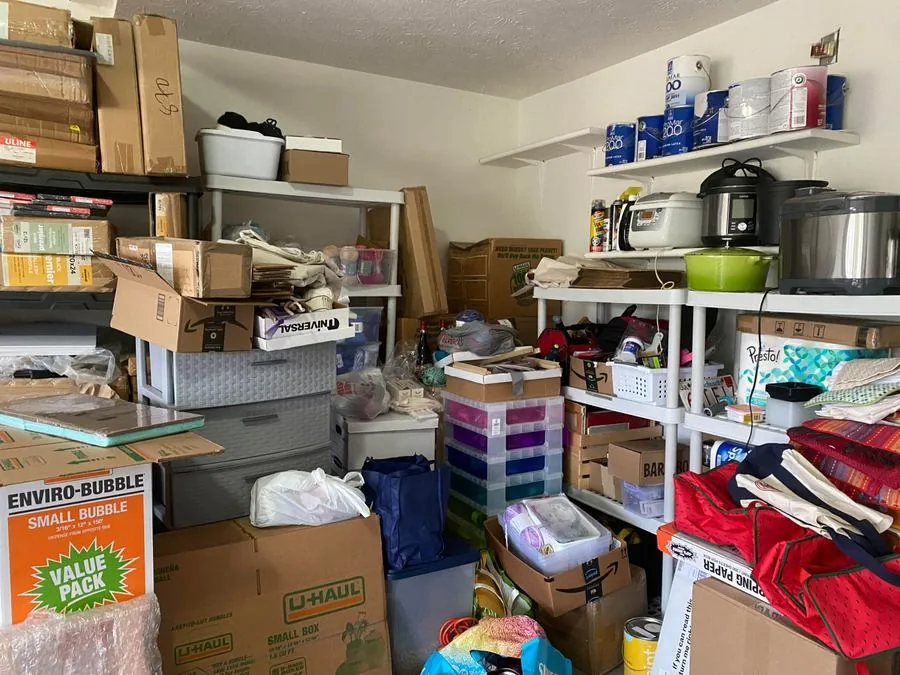
I'll help you make confident decisions about what to keep and what to release, so your home reflects what truly matters to you.
Get a Professional Consultation